
Outwitting the Perfect Storm
By Kristen Ordonez
The Before, During, and After or Hurricane Preparation
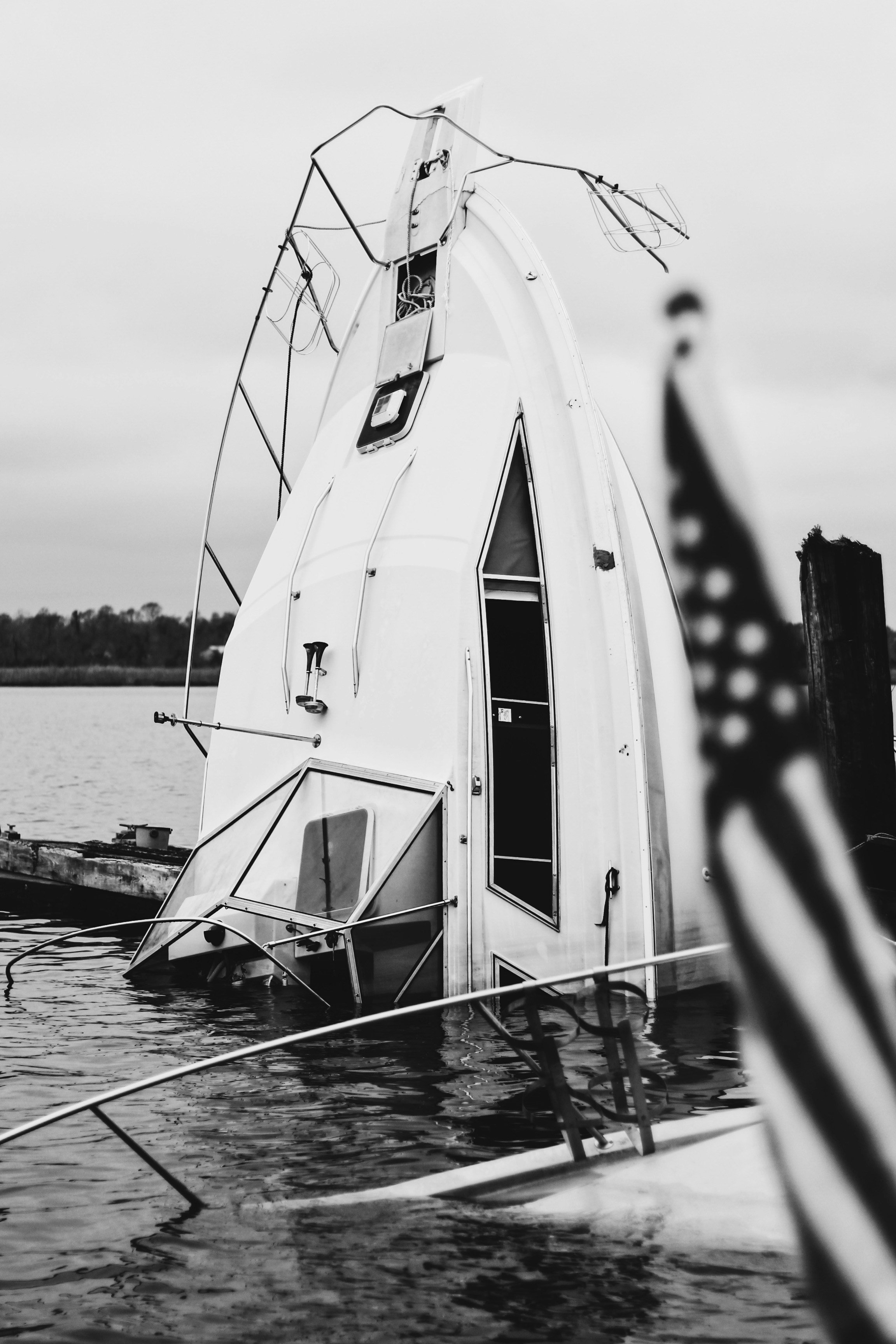
Because of the proximity to the shallow Gulf of Mexico and Gulfstream waters, inland waterways, and its abundance of land that sits just above sea level, the Southeast coast of the US in particular can be in particular danger of experiencing rough weather, as recent storm surges have taught us and our boating communities. In a regional area like here where boating never really turns off (other than during stormy weather), preparing for hurricanes is something that can feel second nature, but should and could always use a refresh.
The best protection for our boats is a well-prepared hurricane plan. Marina facilities and marine-related service businesses/organizations, as well as insurance companies, expect boat owners to commit to all necessary actions in order to secure and protect their vessels. Thoughtful preparation and delivery of a good plan of these hurricane preparations to not only protect the boats, but the homes and families who we love and who also love boating.
Preparing your boat for severe weather requires attention in three stages: When You’re Buying Your Boat, Before Hurricane Season Begins, and Prior to a Hurricane’s Arrival.
When You’re Buying Your Boat — Inspect the Boat Before Buying
It’s important to check the sizings and specs of all of your boat’s inclusions and equipment, from anchors and lines that should be kept in good condition to even the size and makeup of your cleats. The conditions of the boat before you get it should be double-checked and rechecked, including pulpits and dock mooring chocks (too new/sharp can affect lines especially in stressful hurricane conditioner) and trailers, which if could become a real hassle if not looked at before hurricane/launch season.
After inspecting everything on the boat, it's important to also check ways to protect yourself as the boater. First with insurance, making sure to get a policy that covers all aspects of a new boat or reconfirming your policy when it’s time to do so, and if/when you need it how to handle a claim. And though it may not seem like it’s as important, something to remind yourself of are the more local assurances and protections in place, starting with local emergency frequencies for both on and off the deck: National Weather Service, Weather Channel, NOAA Weather Channel, and more. With this you can also create a list of phone numbers of the marine authorities, the US Coast Guard, the Harbor master, your emergency number out of the area, your alternate skipper, and anything else you think might help in a pinch. These, as well as all paperwork and records, should be collected at the start and kept safe in a waterproof container on your vessel.
Before Hurricane Season Begins — Creating Plans
Every skilled boater should have a plan, particularly when thinking about storm season and deciding where your boat will stay during a storm and how it will be secured/protected. Be sure to keep other boaters in mind who are either part of your plan or direct community, whether its your alternate skipper who you may need to help you move your boat if you’re unable to get there, or the other boaters at the marina (or the marina/rental agency itself) who also needs to be made aware of what you’re thinking. It helps to give copies of this plan to these folks and know to give any heads-up or alert of any changes. Another thing to remember is practice makes perfect, and it’s a good idea to practice preparing the boat for severe weather to know how long it will take and how difficult it is.
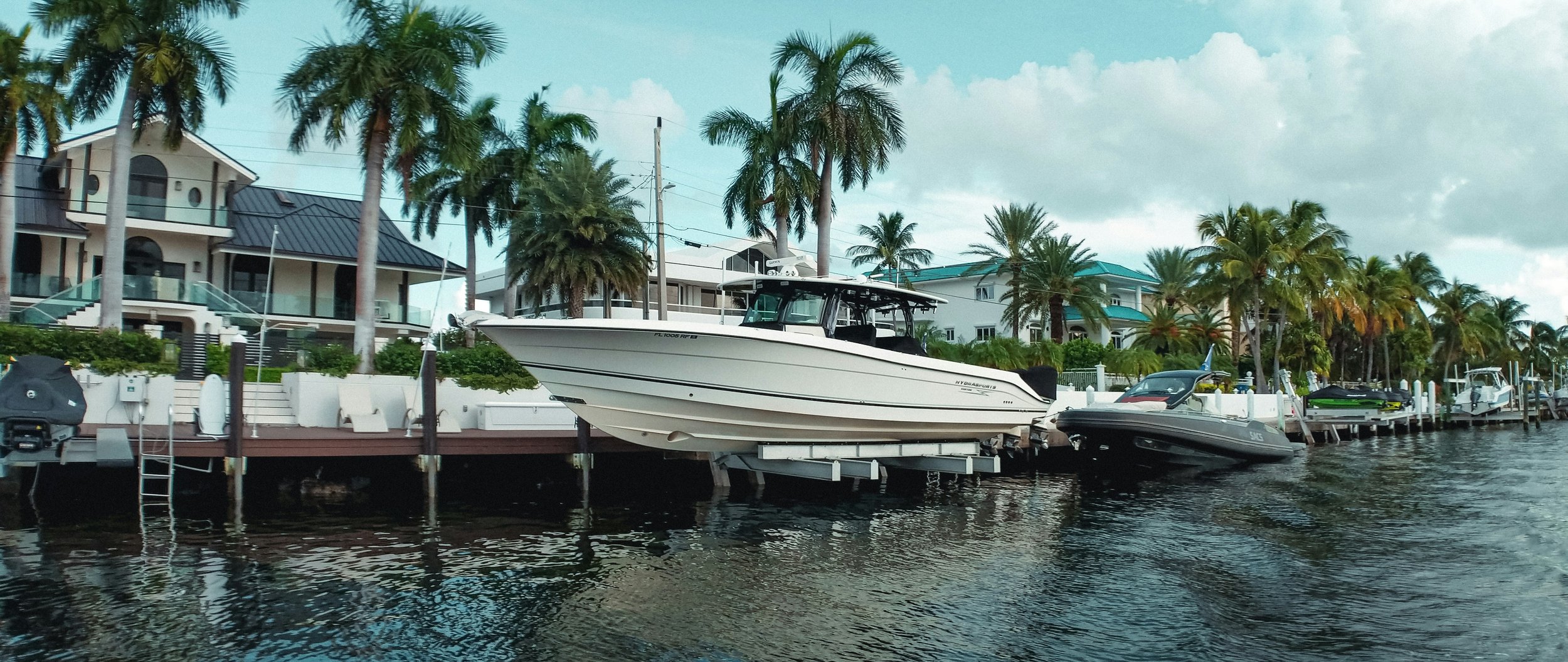
If you will need to move your boat via trailer and keep it somewhere else, you’ll need to practice loading and hauling, as well as finding someplace safe to keep it. This should be in a location that is sturdy and secure from all four directions, as far inland/away from tidal waters as possible, as noted by the Florida FIsh and Wildlife Conservation Commission. If you’re lucky enough to secure a slip at the marina, be sure that the width of the slip is adequate to allow for tides that are rising and falling. Boats and lifts should be confirmed to be in good working order and secure, as well as account for rising tide levels that can surge as much as 10 feet. And speaking of working order, it’s best to buy any new or needed equipment ahead of time to not have things sold out as the season gets closer, from lines and chafe gear that has been adjusted for hurricane conditions, new fenders for outside protection, and any interior equipment that should be replaced regularly such as batteries, lightbulbs, even duck tape.
As noted by the U.S. Coast Guard, if you live/keep your boat on a canal, be sure to develop a plan with adjacent canalfront boating neighbors so everyone’s on the same page. Keep these things in mind:
Obtain permission from property owners to cross tie your boat across the canal. Determine the sequence that crosstying will be allowed. Boats in the upper ends of canals will need to be cross tied before those in the middle or the exiting end of the canal.
Learn the safest methods for crosstying your boat in a canal. Ensure your neighbors are also informed on the best ways to cross-tie, especially those nearest the bay.
Prior to Hurricane — Moving Your Vessel or Protecting It If You Can’t
When severe storms approach, boaters should monitor weather reports to determine the extent of threat. “The right side of a hurricane is its most potentially dangerous section, thus the path of the eye of the hurricane is of critical importance,” according to the USCG. In order to best protect your vessel if you cannot or don’t plan on moving, keep these in mind:
If trailering your boat, boaters need to move their vessels (all vessels, including watercraft) to a safe location as previously mentioned.
If your vessel must stay in a marina berth, double all lines and rig cross-spring lines fore and aft and attach lines high on pilings to allow for tidal rise or surge.
If your vessel is at anchor, move to the most protected area possible and set out multiple anchors with at least a 10:1 scope, remove canvas coverings if possible and remove or secure any sails.
If your vessel will remain on a mooring, make sure the mooring is designed to withstand the load your vessel will place on it. Inspect chains and swivels that connect to the mooring buoy and double up on the mooring pendant.
Bonus: For lifts be sure to raise the lift as high as possible, turn off the power to your lift, and remove all loose gear and canvases. As Regional Sales Manager of Sportsman Boats Aaron Dumont notes, “Make sure your scuppers are free of debris prior to the storm and that your batteries are fully charged so if water somehow gets trapped in the hull, your bilge pump can operate. I have gone as far as putting some stakes in my lawn and strapping the boat trailer to them so it won’t roll anywhere in severe winds.”
In all instances be sure to store away all loose items or life-saving devices (EPIRBs, life jackets, life rings, etc), as well as any breakables or loose items inside the vessel by taping down or locking away. This also goes for engines, as you can cover small engine vents with duct tape if small or with plywood if larger. Cover all other exhausts, water intake sea cocks, exhaust outlets and other fuel and water tank vents.
With these tips in mind you can easily finish up preparations and ensure you’re as ready as can be. Below are some important links to keep in mind for Before, During, and After Storm Preparations.
National Hurricane Center: nhc.noaa.gov
Boat US for Prep and Towing: boatus.com
Florida Boat Ramp Finder: gis.myfwc.com/BoatRampFinder
FL Local Shelter Information: floridadisaster.org
Lifted Boat Photo by Christian Ochoa on Unsplash
Capsized Boat Photo by emma valerio on Unsplash
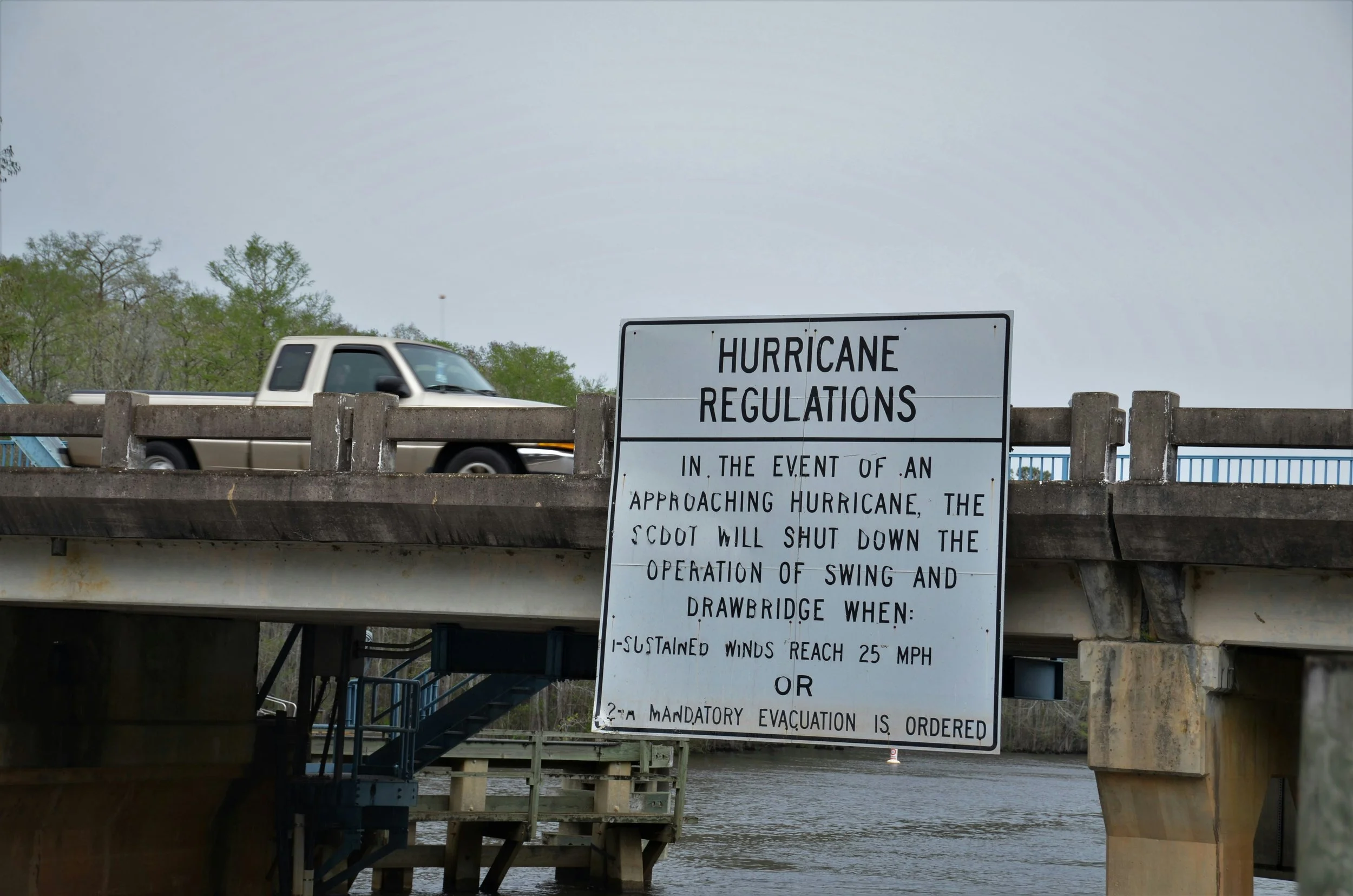
Hurricane Regulations sign Photo by Roger Starnes Sr on Unsplash