
Out of Sight, Out of Mind?
Taking an in-depth look at vessel safety, insurability, maintenance, and more.
By: Roy Cramer, RGC Marine Surveying
When asked what I inspect during a marine survey, plumbing is always high on the list. This crucial system includes thru-hulls, seacocks, hoses, and clamps. Because many of these components are in tight, hard-to-access areas, they are frequently ignored.
During a survey, every seacock must be completely cycled. If a hose bursts or a rusted clamp fails, water can rush into the hull, overwhelm your bilge pumps, and sink the vessel. A proper inspection involves testing the seacock and thoroughly checking the attached thru-hull fitting, hoses, and clamps for deterioration.
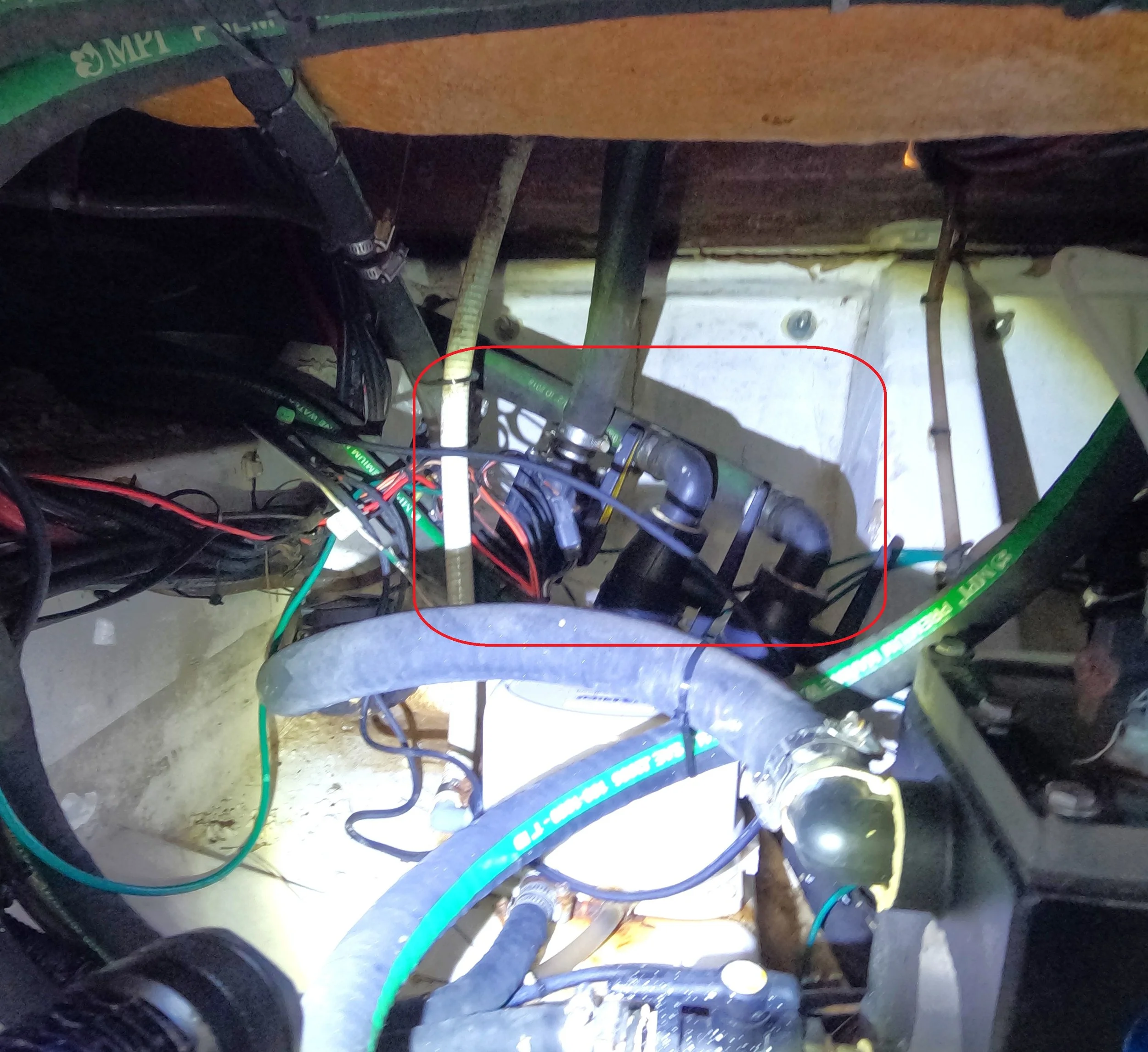
Nearly every boat surveyed has seacocks that have never been closed. This is especially true on center console boats, where seacocks are usually tucked all the way aft under the transom and engine well making them incredibly difficult to see and reach.
Waterline thru-hulls present another common issue. While Federal CFR regulations do not explicitly mandate seacocks everywhere, American Boat and Yacht Council (ABYC) standards require a seacock on any thru-hull located below the maximum heeled waterline. For powerboats, this is generally calculated at 7 degrees heel; for sailboats, the angle is much higher.
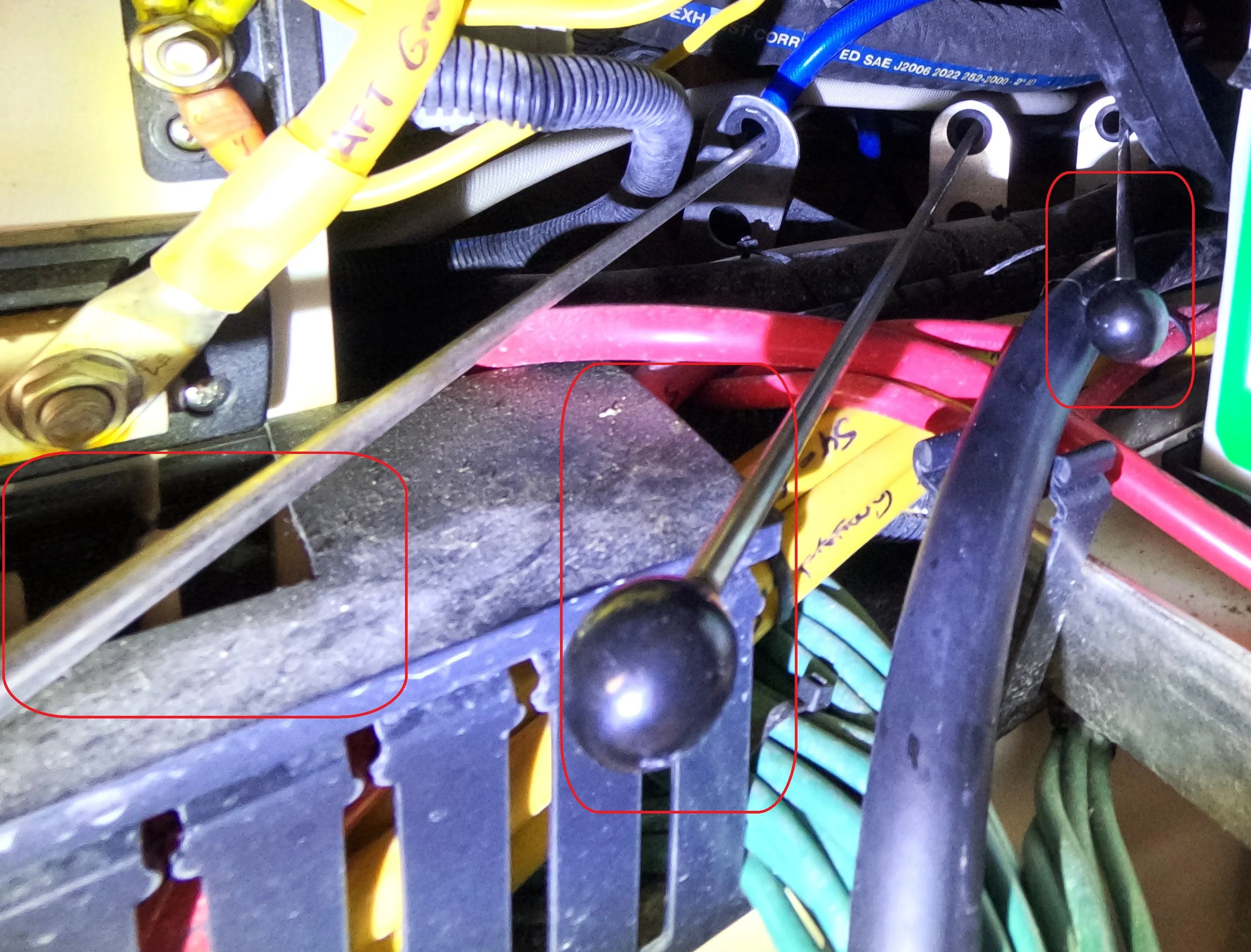
Unfortunately, above-waterline seacocks are often invisible or completely inaccessible. To cope, some manufacturers install stainless steel extension rods to operate the handles. While these rods help turn straight-down valves, they struggle with the awkward angles of waterline seacocks. When forced against a frozen, seldom-exercised valve, these long rods simply bend, leaving the seacock completely immovable.
Why Seacock Accessibility Matters
Neglecting these underwater valves impacts three core areas:
Safety: If a plumbing emergency strikes, a functional seacock is your primary defense against sinking. You must be able to quickly reach and operate every valve.
Insurability: If a surveyor notes that a seacock is "inaccessible" or "immovable," insurers may deny a claim if a split hose causes a sinking. Some may refuse initial coverage until you show the valves are accessible and operate freely.
Resale Value: Informed buyers want peace of mind. If frozen seacocks are flagged in a pre-purchase survey, buyers will likely demand a solution or a discount from the agreed purchase price.
Try to fully turn every seacock on your boat. To prevent freezing, follow these industry maintenance intervals:
Bronze Seacocks and Thru-Hulls: Exercise completely open and closed every 6 months.
Composite / Mixed-Metal Seacocks/Thru-Hulls: Exercise completely open and closed every month.
Bio: Roy Cramer is an accredited marine surveyor with RGC Marine Surveying and a lifelong boating enthusiast, with experience owning and operating both sailboats and powerboats ranging from 11 to 60 feet. After a 30-year career in technical sales for the HVAC and commercial cooking industries, he turned his passion for boats into a full-time profession, combining technical expertise with an insatiable curiosity about vessel construction, systems, and maintenance. A graduate of Chapman's School of Seamanship's Marine Surveying and Damage Survey programs, Roy is also a member of the Society of Accredited Marine Surveyors (SAMS), an ABYC-certified technician, and a U.S. Coast Guard 100-Ton Licensed Captain. Learn more about Roy and RGC Marine Surveying at rgcmarinesurvey.com.