
Built to Rise
Why AccuDock Has Become a Trusted Name in Hurricane-Ready Dock Systems
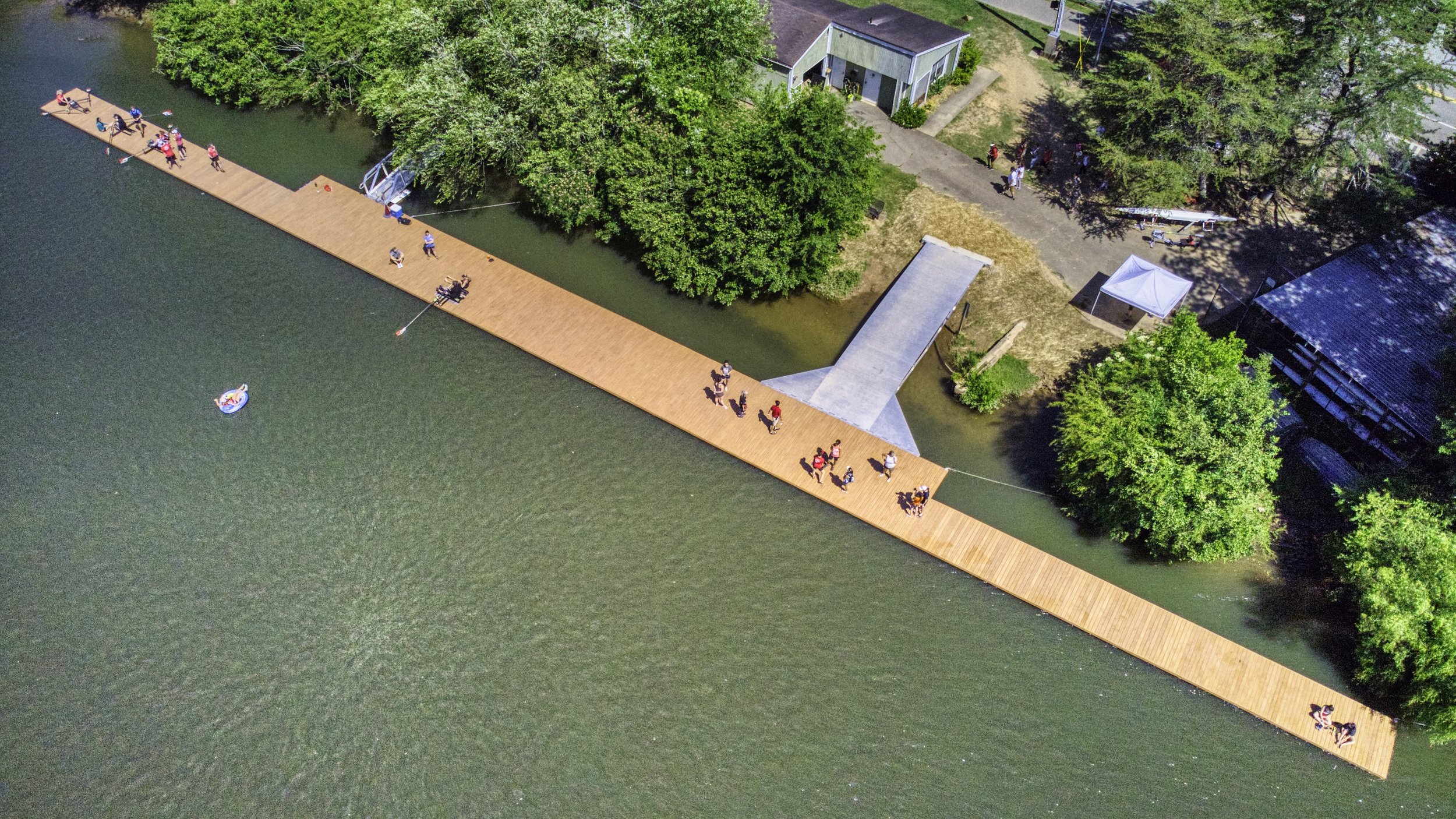
As hurricanes grow stronger, storm surges become less predictable, and waterfront property owners face rising repair costs, one thing is becoming increasingly clear: traditional dock systems aren’t always built for today’s realities. For homeowners, marinas, and commercial waterfront operators in storm-prone regions, resilience has become just as important as accessibility and aesthetics. That’s where AccuDock has built its reputation.
Known for their floating dock systems, AccuDock has become a trusted resource for waterfront infrastructure designed to move with changing conditions rather than fight against them. And in hurricane-prone regions, that flexibility can make all the difference.
Why Floating Docks Outperform Fixed Systems
Traditional fixed docks are built on permanent pilings, which means they remain at one set height while water levels fluctuate around them. During low tide, that can create an inconvenient gap between dock and boat. During major storms, it can become far more dangerous.
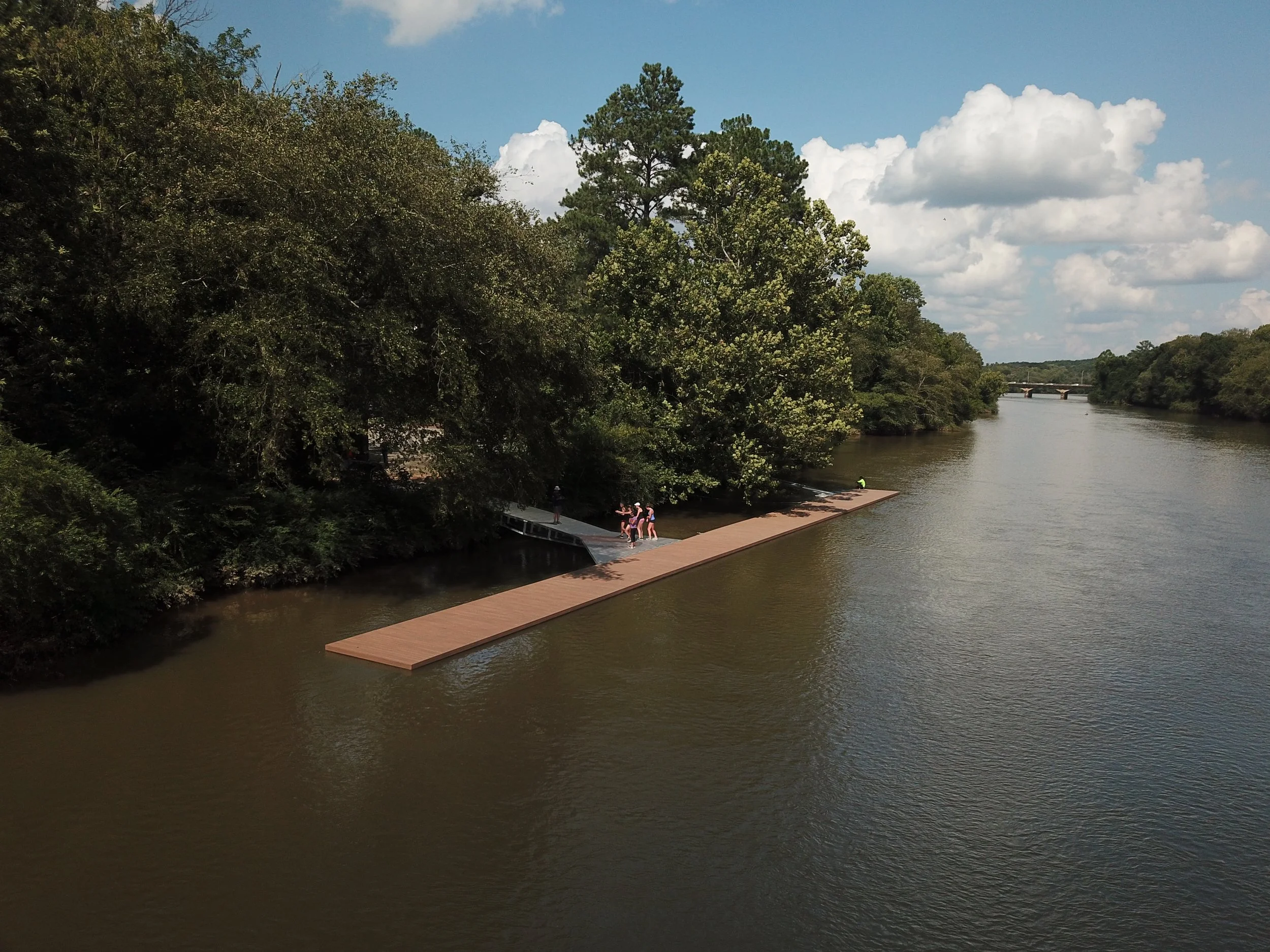
Storm surge often pushes water several feet above normal levels, placing enormous upward pressure on fixed docks. In many cases, that force can rip decking apart, damage pilings, or completely destroy the structure. Floating docks solve that problem differently. Rather than resisting the movement of the water, floating systems rise and fall naturally with tides, seasonal fluctuations, and storm surges. This keeps the dock usable during everyday conditions while also reducing structural stress during extreme weather events.
For AccuDock, that adaptability is central to their engineering philosophy: create docks that work with the environment rather than against it.
Built for Hurricane-Prone Regions
In coastal states regularly impacted by hurricanes, storm surge is often more destructive than wind alone. Because floating docks remain on top of the water, they can rise alongside surging tides rather than becoming submerged beneath them. When paired with properly designed piling heights and secure mooring systems, these docks are better equipped to withstand extreme weather.
That ability to adapt during volatile water conditions is one of the biggest reasons marina owners and waterfront homeowners continue turning to AccuDock for long-term dock solutions, as these docks are built both stronger and smarter. “A truly resilient system relies on flexibility, pressure relief, and material integrity,” says Rebecca Gramm, AccuDock VP of Marketing.
AccuDock incorporates several engineering features that help their systems perform in severe weather:
High-density polyethylene (HDPE) floats that resist punctures and heavy impacts
Modular dock designs that allow sections to flex with wave movement
Heavy-duty piling hoops and roller systems that keep docks secure while allowing vertical travel
Flexible anchoring systems that absorb force instead of transferring stress directly to the dock
These systems help eliminate what dock professionals often call the “piston effect,” where rising water gets trapped beneath fixed docks and causes catastrophic structural failures.
Hurricane Prep: What To Do & What Not To Do
Even the best dock system can fail if it’s improperly prepared.
One of the most common mistakes waterfront owners make is underestimating storm surge levels when determining piling height. If water rises above those pilings, even a floating dock can drift away.
Other common issues include leaving loose furniture or equipment on docks during storms, as well as failing to inspect hardware, cables, shackles, and anchoring equipment for corrosion. Gramm notes one of the biggest mistakes they see property owners make is underestimating the height of a potential storm surge when setting their piling heights. “Even the most well-built floating dock can be lost if the water rises higher than the pilings, allowing the dock to simply float off the top and drift away.”
Using rigid tie-down systems that prevent vertical movement can also counteract any preparation efforts. AccuDock emphasizes regular maintenance and proactive planning to help owners avoid preventable failures.
For marina operators, hurricane season preparation typically starts long before the first storm appears on the radar. Practices include:
Upgrading to HDPE encapsulated floats
Replacing aging hardware with marine-grade stainless steel components
Evaluating piling height
Reinforcing dock connections
Installing floating wave attenuators to reduce incoming wave energy
These preventative upgrades can significantly improve a marina’s ability to weather severe storms.
Boat owners should also execute their hurricane preparedness plans immediately by relocating vessels when possible or securing them with lines that account for significant water rise. Dock anchoring systems should also be inspected to ensure piling hoops, cleats, and cables remain secure.
The Future of Dock Design
As climate change continues to reshape waterfront infrastructure planning, dock design is evolving rapidly. Rising sea levels and increasingly intense storms are pushing manufacturers toward more adaptive systems that prioritize flexibility, energy absorption, and long-term durability. AccuDock continues to embrace innovations like marine-grade aluminum alloys, elastic mooring systems like Seaflex, advanced rubber connectors, smart pile guides and more. The goal is no longer to build rigid structures that fight nature; it’s to create docks capable of adapting to it.
For today’s waterfront homeowners, installing a dock is no longer just about convenience. It’s about preparing for changing environmental conditions while investing in infrastructure that will last. “It is also important to think about how you actually use the water,” Gramm notes, whether you enjoy kayaking or rowing, or simply cruising along the lakes coast. “A low-profile floating system makes a massive difference for accessibility. By focusing on a combination of durability, high vertical range, and personal use, you’re not just installing a dock, you're making a smart, long-term investment in your waterfront lifestyle.”
By prioritizing flexibility, durable materials, and storm readiness, AccuDock has positioned itself as a trusted leader in dock systems built for the realities of modern coastal living. And as hurricane seasons grow more intense, that kind of forward-thinking design is becoming less of a luxury and more of a necessity.