
Well Guarded
Why Inland Storage Deserves a Second Look During Hurricane Season.
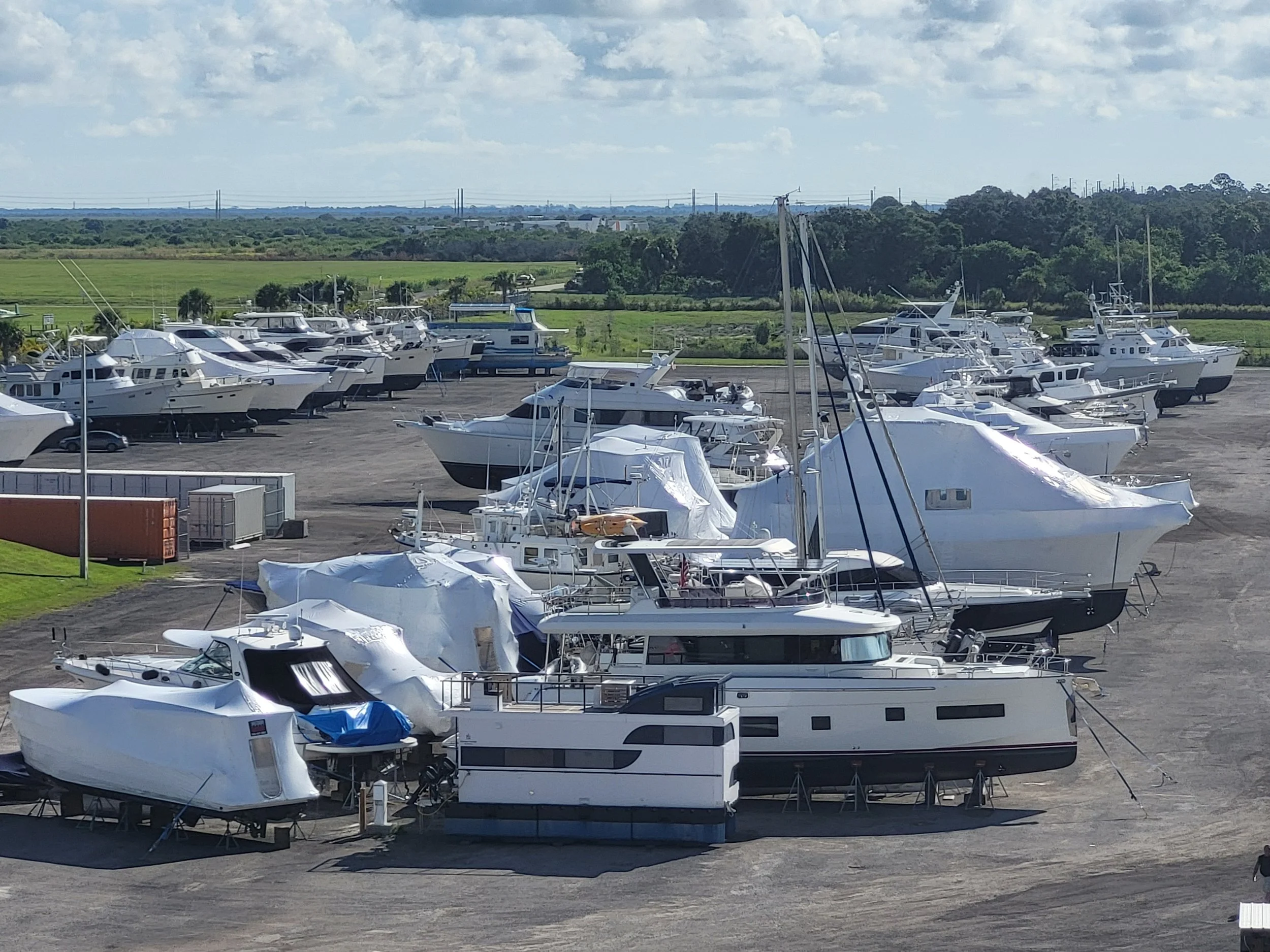
As the 2026 Hurricane Season approaches, boat owners along the coast face the same question: “What is the safest and most practical way to protect my vessel?” While dockage in protected harbors or hauling out near the shoreline remains common, inland storage has gained attention as a viable alternative. From a neutral, practical standpoint, inland marinas offer a combination of insurance, environmental, and facility-related advantages that are worth considering.
One important factor influencing storage decisions today is insurance. Marine insurers have become increasingly cautious in recent years, particularly in hurricane-prone regions. Policies often include strict storm plans, named storm deductibles, or geographic limitations during peak months. In some cases, premiums may be reduced, or coverage terms improved when a vessel is stored outside designated coastal risk zones. Inland facilities, typically located farther from open water and storm surge exposure, can help boat owners meet these requirements more easily. While each policy differs, storing a vessel inland may provide an added layer of compliance and, potentially, cost savings.
Wind exposure is another key factor. Coastal marinas are inherently more vulnerable to sustained high winds and gusts due to their proximity to open water. Inland locations are often surrounded by natural windbreaks such as trees, terrain, or built structures. This buffering effect can reduce the intensity of wind forces acting on stored vessels. While no location is entirely immune to hurricane conditions, a reduction in wind exposure can lessen the likelihood of damage from flying debris, shifting boats, or structural strain.
Equally important is the absence of storm surge risk. Storm surge remains one of the most destructive elements of a hurricane, capable of lifting docks, damaging pilings, and displacing vessels entirely. Inland marinas, because of their elevation and distance from tidal waters, are generally not subject to surge in the same way coastal facilities are. This alone can significantly reduce the types of risks a vessel faces during a major storm event.
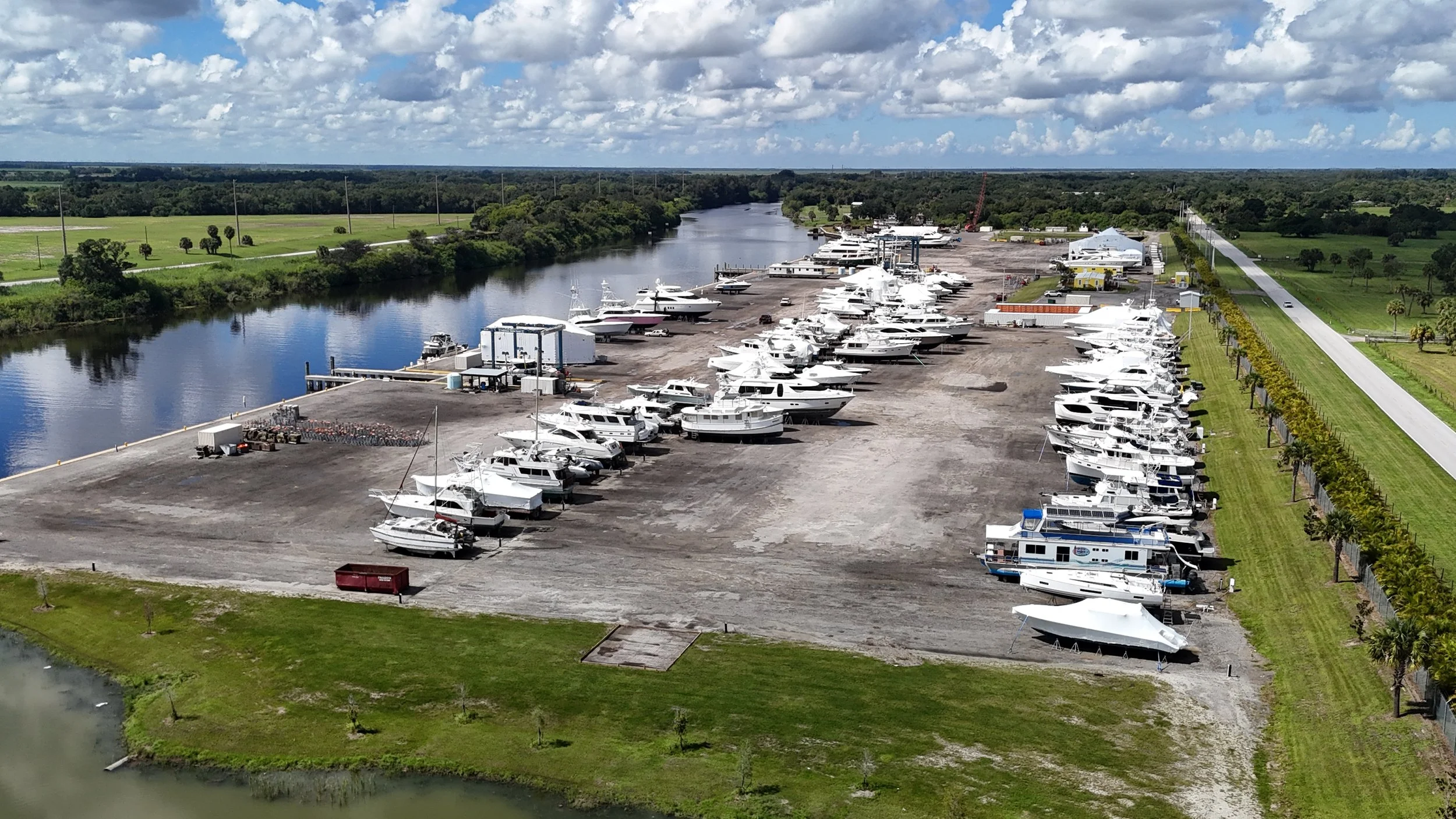
Facility design and preparation also play a major role in the inland advantage. Many inland marinas are purpose-built with hurricane resilience in mind, offering features such as heavy-duty cradles, secure tie-down systems, and wide spacing between stored boats. Haul-out capabilities are typically integral to these operations, allowing vessels to be removed from the water well ahead of approaching storms. Additionally, inland yards often have more controlled environments, with less congestion and greater accessibility for staff to implement storm preparations efficiently.
Another benefit is the logistical aspect of storm readiness. Coastal marinas can become highly congested as storms approach, with limited haul-out slots and increased demand for labor and equipment. Inland facilities, especially those operating year-round storage programs, may provide more predictable scheduling and less last-minute pressure. This can give boat owners greater peace of mind, knowing their vessel is secured well in advance rather than relying on a narrow preparation window.
As weather patterns grow less predictable and insurance requirements continue to evolve, inland marinas present a practical alternative that aligns with both safety and long-term vessel care. While not a one-size-fits-all solution, they deserve thoughtful consideration as part of any comprehensive hurricane preparedness plan.