What’s In Your Ditch Bag — 2025 Edition
Never leave the dock without these boating emergency essentials.
By Kristen Ordonez & Tom Vorel
Those words some have only heard in movies are the scariest thing to hear when reality comes crashing down like a wave: Abandon ship! Sinkings, fires, or encountering another vessel that is capsized — while instances like this are at an 50-year low, according to the U.S. Coast Guard, those who think they are impervious to emergencies like this are bound to be ill equipped when disaster strikes. So, before the chance of that happening, we’ve gathered a list of some of the best items to carry in your ditch bag, regardless of where or when you boat.
The easiest way to not overload is to keep these main categories in mind: Rescue, Communication, Survival, Medical, and Navigation, as well as offshore-specific extras for those who go boating farther out.
-
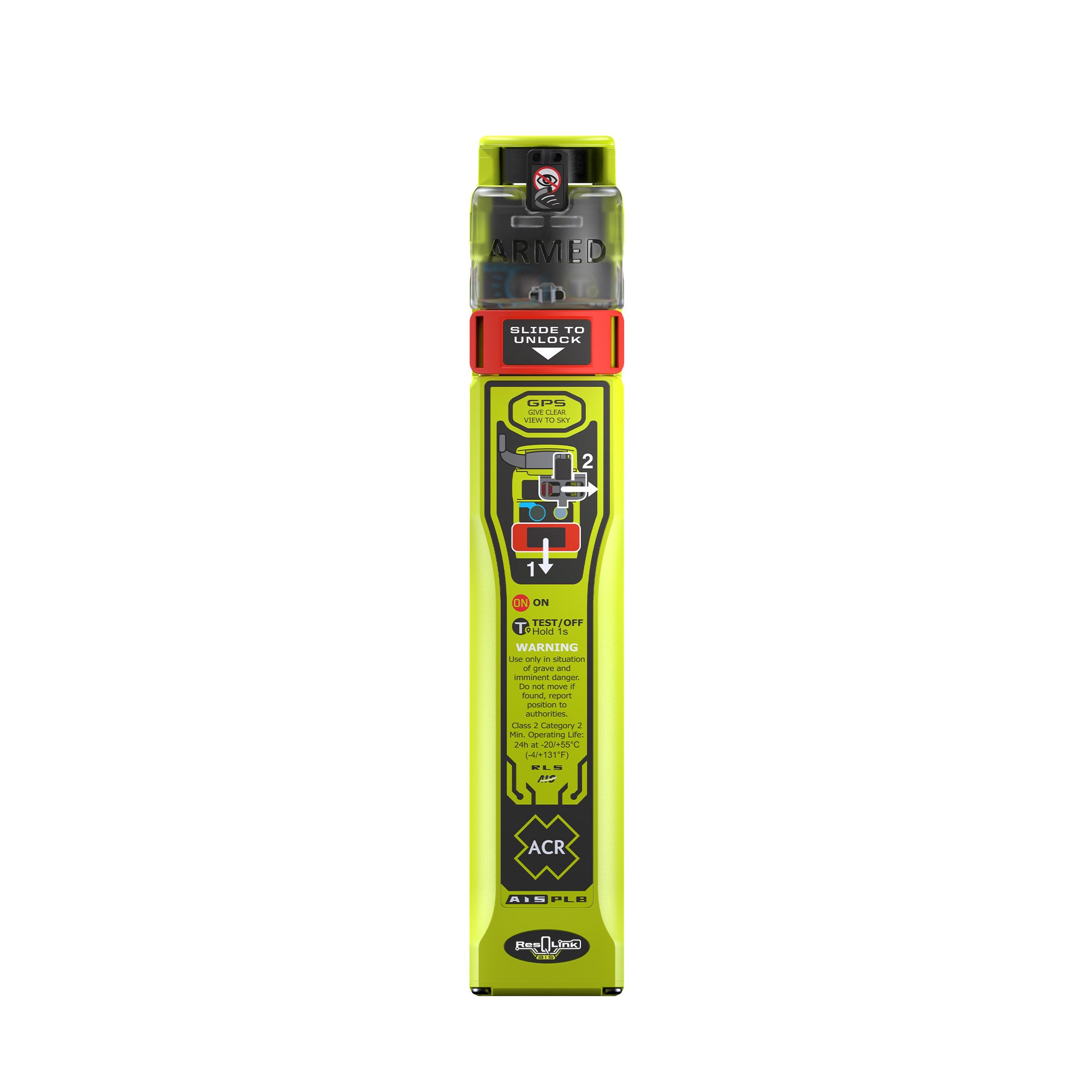
Beacons: Probably the most important device you’ll need to keep in order for a water rescue is some type of signaling beacon that is accessible in an emergency. For something like an Emergency Position-Indicating Radio Beacon (EPIRB) this needs to be on the boat, but easily retrievable in order to have the beacon bring rescue teams to you. This could be in the center console of your vessel or somewhere near the pilot station. You can also opt for a similar, but Personal Locator Beacon (PLB), which can be attached to a lifejacket/immersion suits or packed in a life raft. (INCLUDE A PHOTO OF A ACR Electronics ResQLink 400 Personal locator beacon)
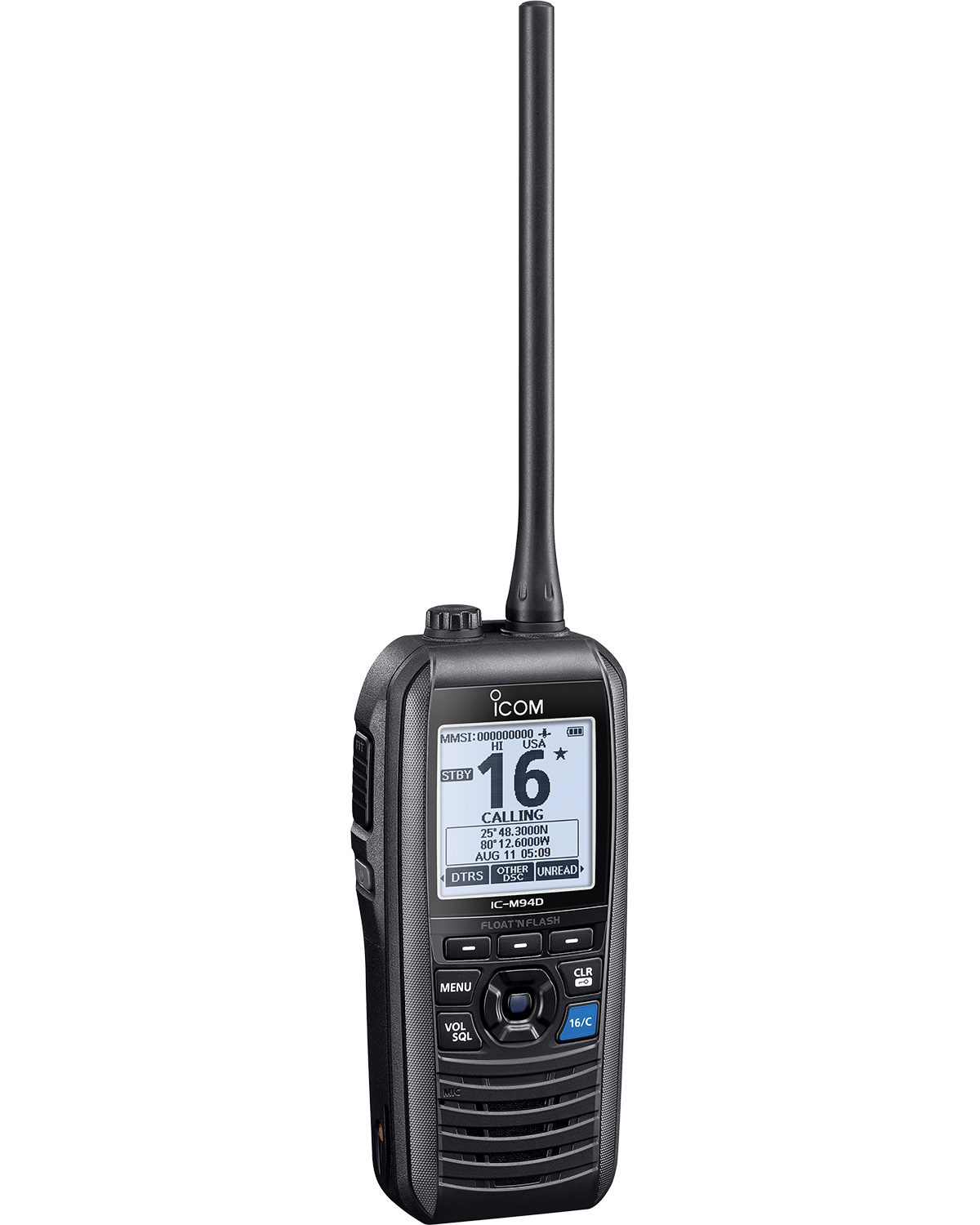
Waterproof VHF: This can be used to call and talk with vessels (line of site) or communicate with rescuers. For SW Florida boaters, one with an AIS feature like the ICOM M94D to be able to identify and hail other AIS-equipped vessels nearby. The built-in Class-H DSC with a dedicated distress button ensures you can quickly send an emergency call with your GPS position, dramatically improving the chance of rescue. This radio is also equipped with Icom’s Float’n Flash™ technology, making it easy to spot and retrieve if dropped overboard. Compact, reliable, and designed with lifesaving features at its core, it’s the perfect addition to any ditch bag — because when the unexpected happens at sea, you need a radio ready for the worst.
Audible signaling device(s): Crucial to have more than one way of signaling. Air horns can be useful if you remember to keep them charged/maintained. However, a simple Coast-Guard approved whistle works great as noted by BoatUS.
Light signaling device(s): There are a few varieties of devices you can use, from flares and strobes to a simple mirror or waterproof flashlight. For flares, DAN Boater recommends three red handheld Flares with a one-minute burn time. “Also, check the packaging to assure that the flares will not produce hot residue that could be harmful to inflatable rafts.”
Batteries: for any of your handheld, stashed technology, extra batteries are just standard to keep these devices working when you need them. It’s also important to check in on your bag’s supply of batteries every few months and replace any that have gone bad.
-
Protective gear: Sunscreen is the first of these to come to me, but as noted by the Mariner’s Learning Center there are more than way to be susceptible to sun exposure. Other items to include are chapstick for lips, hat for head, and gloves for hands.
Thermal protective aid (TPA): Many of us would think of a type of space blanket. ACR Electronics notes there is a variety that you can wear to keep insulated from the water, reflecting your own body heat while keeping yourself dry.
Bailer or sponge: Can be used to remove water if ship is sinking.
First aid kit: This should be vetted and checked carefully before stowing in your bag, preferably to Coast Guard standards. DAN Boaters recommends checking the labels on the kit to assure the "zip-lock bags have been tested by the Underwriters laboratory for weathering and water tightness under adverse saltwater conditions.”
Seasick pills: The Coast Guard recommends that if you are in a life raft or waiting for rescue that you take anti-seasickness pills immediately, as they can help with dehydration as well.
-
Laminated nautical charts: Great call to laminate your charts/maps by the Freedom Boat Club — how are you supposed to know where you are or going if the map’s wet? Particularly important for the ditch bag.
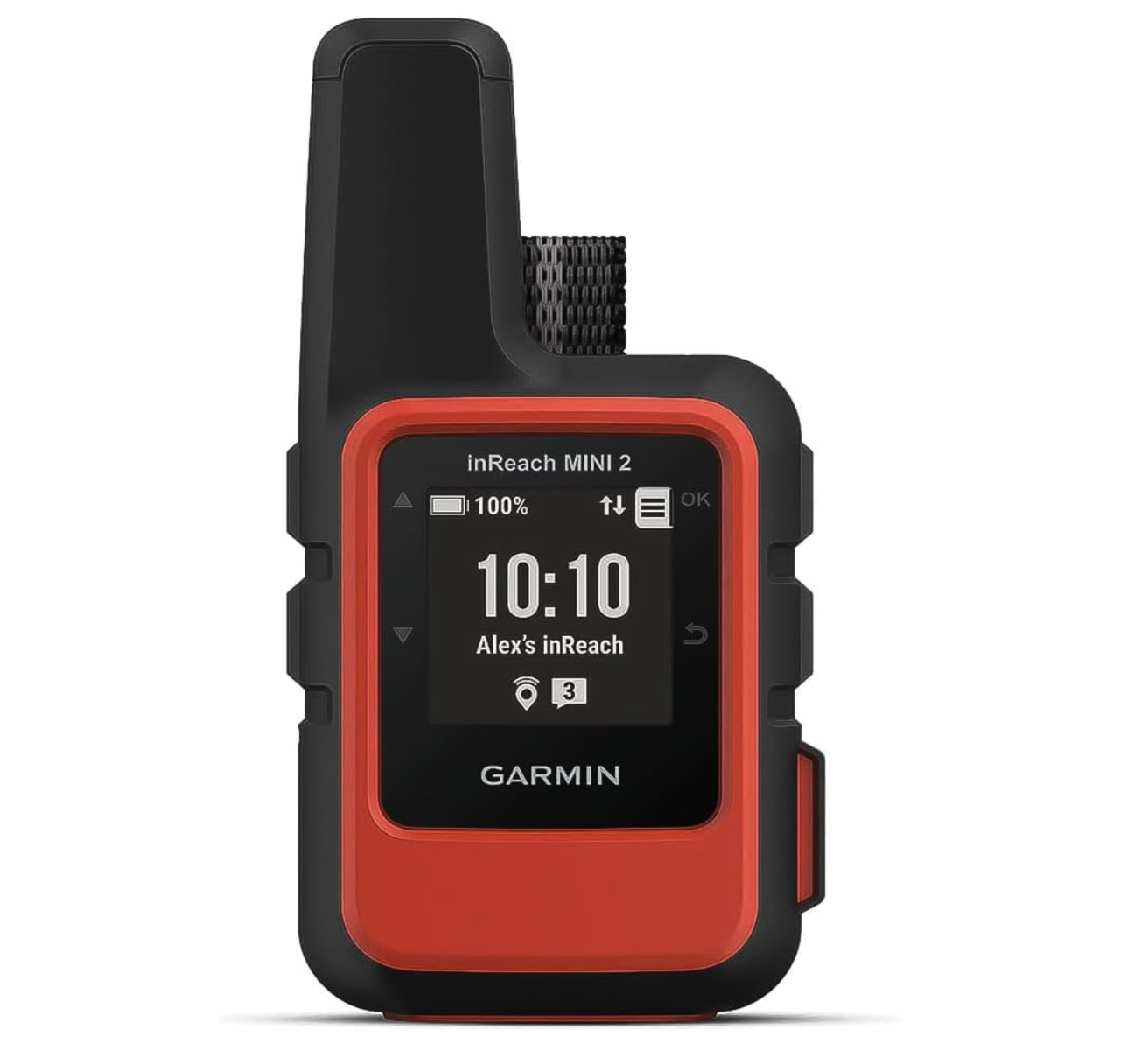
Handheld GPS: This is in case your VHF doesn't have GPS built in, and is important in order to know where you are when things go wrong and rescuers need your location.
Watch and compass: For time and direction, especially in case the handheld GPS’ battery dies.
-
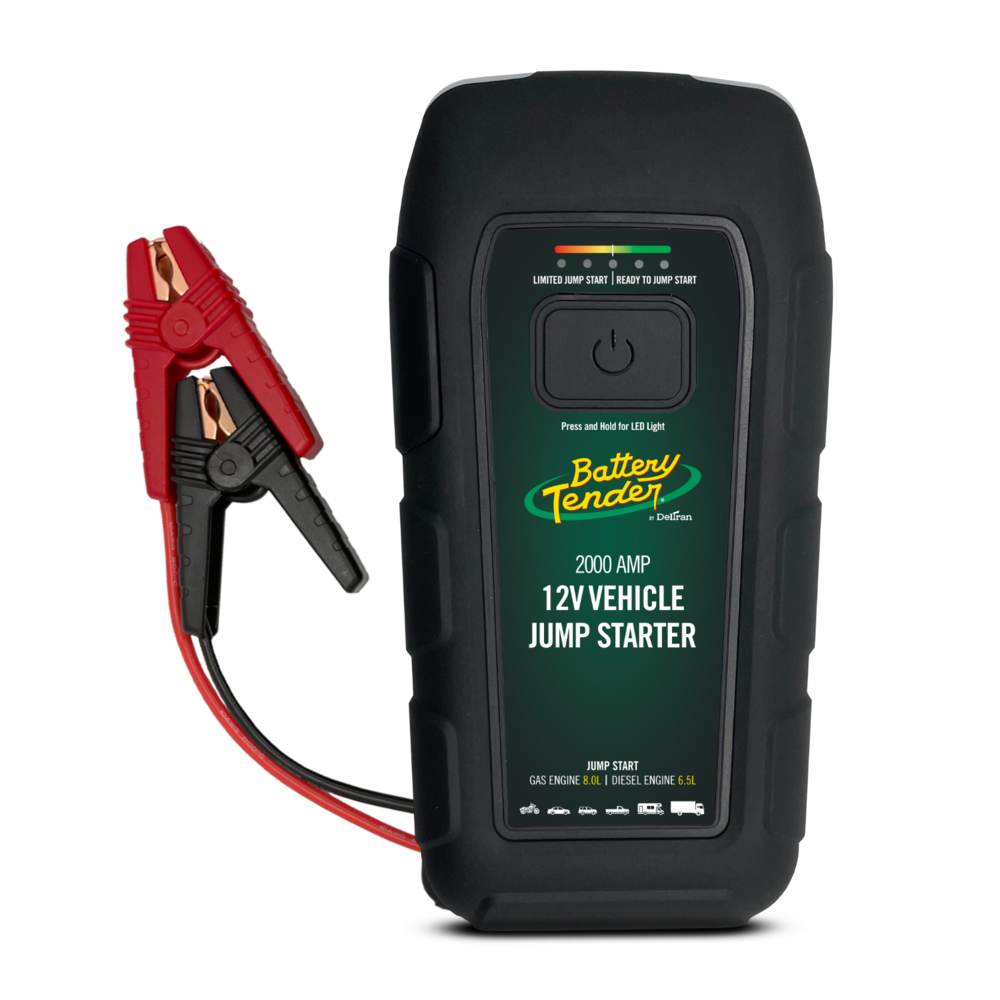
Battery Jump Starter pack: Be sure to keep it charged for jumps when the sandbar music was on too long or for your portable devices that may need a charge. We recommend the 2000 AMP one from Battery Tender.
Pen and paper in ziplock bag
Multitool or knife
Spare pair of glasses and/or sunglasses
Important papers to keep in dry ziplock: Vessel docs, logbook, passports, money, plus just pen & paper for whatever you may need
Duct tape
The Bag
Finally, what’s holding all these things? To choose the right bag it’s important to remember a few ideal characteristics. The bag should ideally be a dry bag so that it is waterproof in keeping your items dry. You want the bag large enough to carry all the things you need out of the list we’ve supplied. The best ditch bags are also brightly colored, according to ACR Electronics, more often available in yellow, red or orange to improve visibility, especially at night or to make it easily identifiable in a developing emergency. Bonus points if the bag has attached/attachable reflector strips.