
The Hidden Truths Behind Canal Living Homes
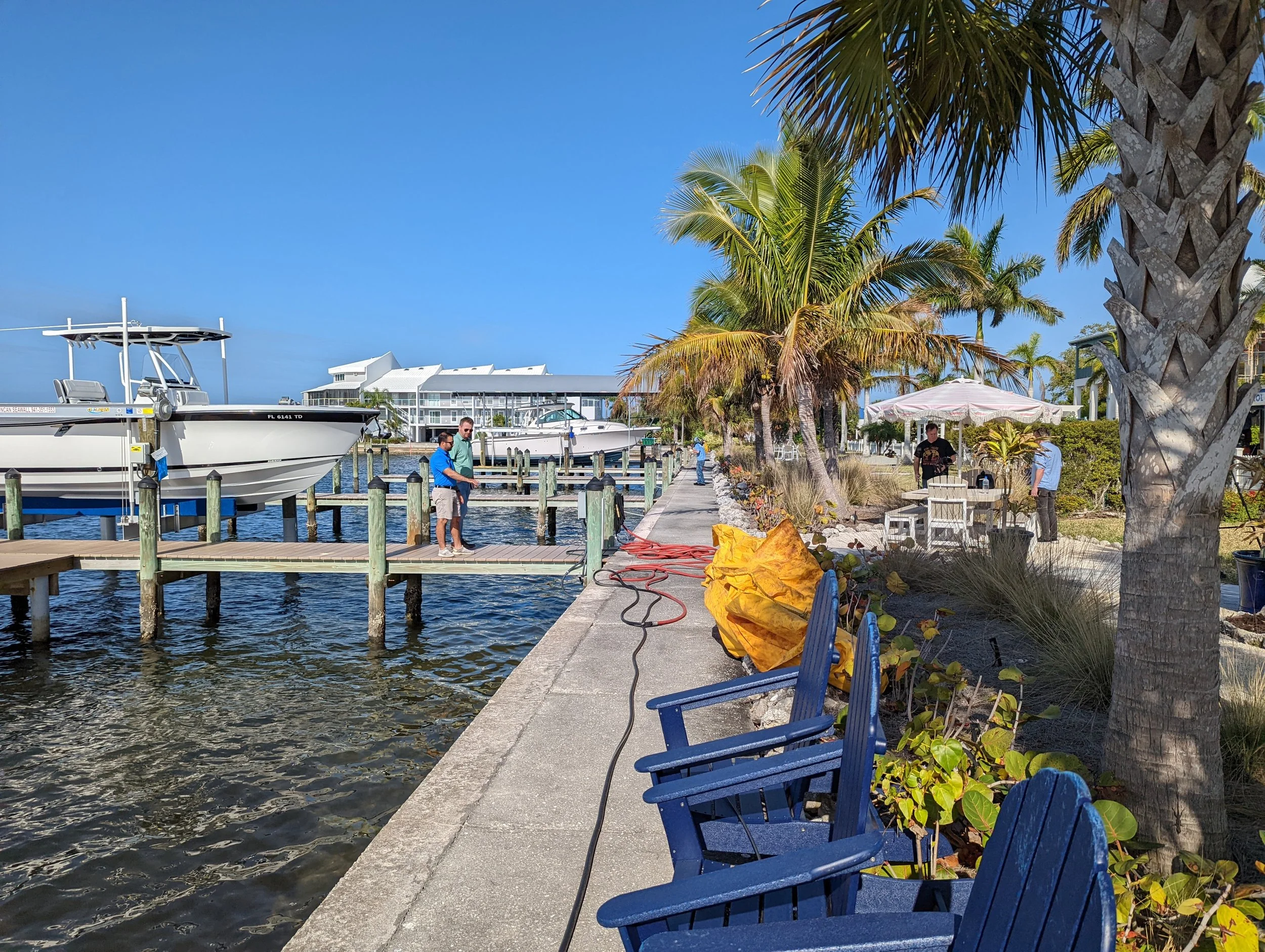
Hidden behind every canal-side home is a structure that quietly protects your property: the seawall. While it may be out of sight, it should never be out of mind. When a seawall isn’t properly maintained, small issues can quickly grow into costly repairs. Knowing what warning signs to watch for and performing regular inspections can save you thousands, or even tens of thousands, of dollars.
Living on a canal offers countless rewards, from easy access to boating, kayaking, and fishing to beautiful waterfront views. However, waterfront living also comes with added responsibilities, including protecting your home from harsh weather, saltwater exposure, and the unique challenges of owning property along the water.
One of the most overlooked parts of maintaining a canal-front property is the seawall that protects it. Like any important part of your home, a seawall needs routine inspections and maintenance. Without proper care, it can deteriorate over time, leading to expensive repairs or even complete replacement. Contrary to what many people believe, a seawall isn’t designed to keep the water out — it’s designed to keep your land in. It works by balancing the pressure of the water against the pressure of the soil behind it. When erosion allows soil to wash away, that balance is disrupted. As the support behind the wall disappears, the seawall can shift outward at the base, bow, or even collapse.
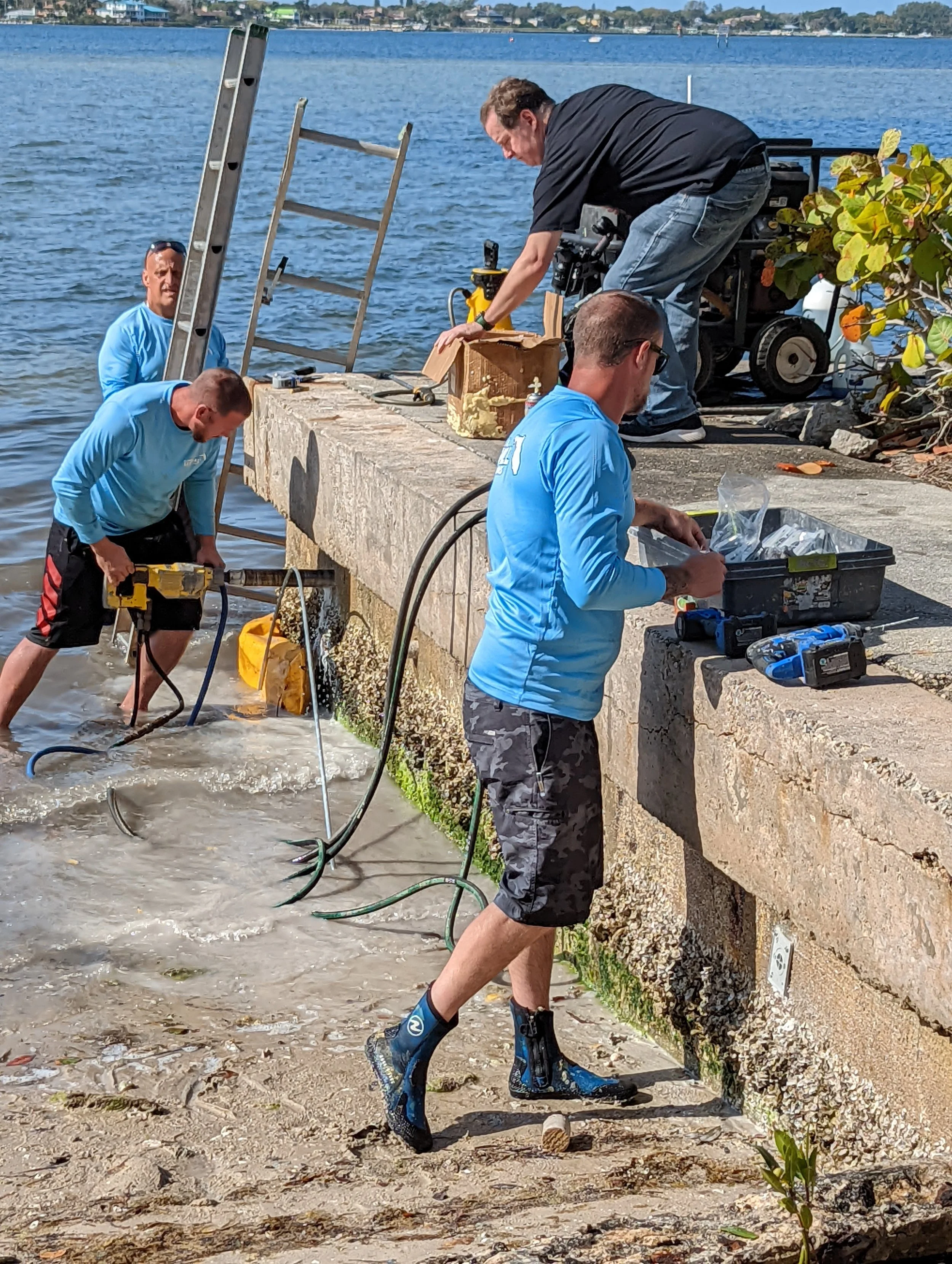
A seawall experiences its greatest stress during low tide, when the pressure from the land behind it becomes much greater than the pressure from the water in front. Heavy rainfall or excessive irrigation can saturate the soil, increasing that pressure even more and putting additional strain on the wall.
Many older canal-side seawalls were backfilled with organic material dredged from the canal. Over time, this material naturally decomposes, leaving unstable soil behind the wall. As the soil continues to erode through or beneath the seawall, empty spaces, also known as voids, begin to form. Eventually these voids appear as small sinkholes or "potholes" along the seawall, one of the most common early warning signs of failure. When caught early, these voids can often be filled and the seawall reinforced before major damage occurs.
Other signs of a failing seawall include potholes along the wall, water bubbling up through the yard, cracks in the seawall panels or cap, and walls that are leaning, bowing, or shifting out of alignment. Seawall problems rarely improve on their own. Once the wall has been compromised, the damage typically continues to worsen over time. What begins as a small crack or a few potholes can eventually become a much larger, and far more expensive, repair.
In the worst cases, complete seawall failure can result in significant property damage. If you notice any warning signs, it’s important to contact a qualified seawall professional as soon as possible. Many companies offer inspections at no cost, making it easy to identify problems before they become major repairs. Because seawall damage can result from many different causes, there is no one-size-fits-all solution. The right repair depends on the condition of the wall, the type of construction, and the underlying cause of the problem.
No matter the situation, addressing issues early is always the most effective and affordable way to protect your waterfront property.