
So, You Want To Buy a Boat?
What to Know Before You Take the Helm.
By Jordan Balbresky
You’re ready. You’ve heard all of the nay-sayers and jealous, obnoxious little comments from family and friends and brushed them off. You want to be a boat owner. Everyone has their opinions, but the truth is, that by taking that step towards being a boat owner, whether it’s an 8-foot inflatable or an 80-foot power yacht, you are joining a select club. No one can take away that little gleam in your eye. That recognizable nod between owners is like the handshake welcoming to a secret society. You understand what no one else does — that owning a boat is a gentle blend of responsibility, happiness, possible horror stories you can look back on later and laugh and that certain wisdom that comes from tapping into that primal man that explores and attempts to truly be one with nature. Or maybe you just like wearing a captain’s hat. Either way, here’s a quick guide to how the process works.
The first choice to make is what kind of boat you want. Whether you are interested in a runabout, a ski boat, center console, or a pontoon boat — each has its own history and design elements that makes each good for its intended purpose. A pontoon boat is a stable platform with plenty of seating for calm conditions and leisurely cruising, while a center console is designed to get you to the fishing grounds fast and has walk-around access for un-impeded fishing. A jon boat is usually low to the water for comfortable sheltered fishing, has a shallow bottom for access to even the skinniest rivers or lakes and a light, almost indestructible construction for easy transport and long-term durability that can last for generations. Take the time to consider what your idea of a good time on the water will look like. Is it a fun-filled day with family, chugging around the lake and visiting swimming spots? Is it towing water skiers or tubers all afternoon? Be aware that many boats nowadays are built with versatility in mind. You can get a pontoon boat that has the thrilling performance and towability of a ski boat and family-friendly cruisers can also be outfitted for a successful day of fishing. Just make sure that you have the space you need for any activity and that your boat will grow with your family.
Next, think about your budget. Make sure you’re realistic about how much you can and are willing to invest in your new boat. Despite what many say, boats can be relatively affordable, and once you have the cost of the boat itself worked out, you can begin to budget for other necessary expenses and accessories. You can also work on financing options and make a decision about how you will pay for your boat. Also try to consider how much wear and tear you might be likely to put on your boat, especially related to how often you intend to use it. This can factor into a decision related to how much of an investment you want to make into your vessel to ensure its longevity.
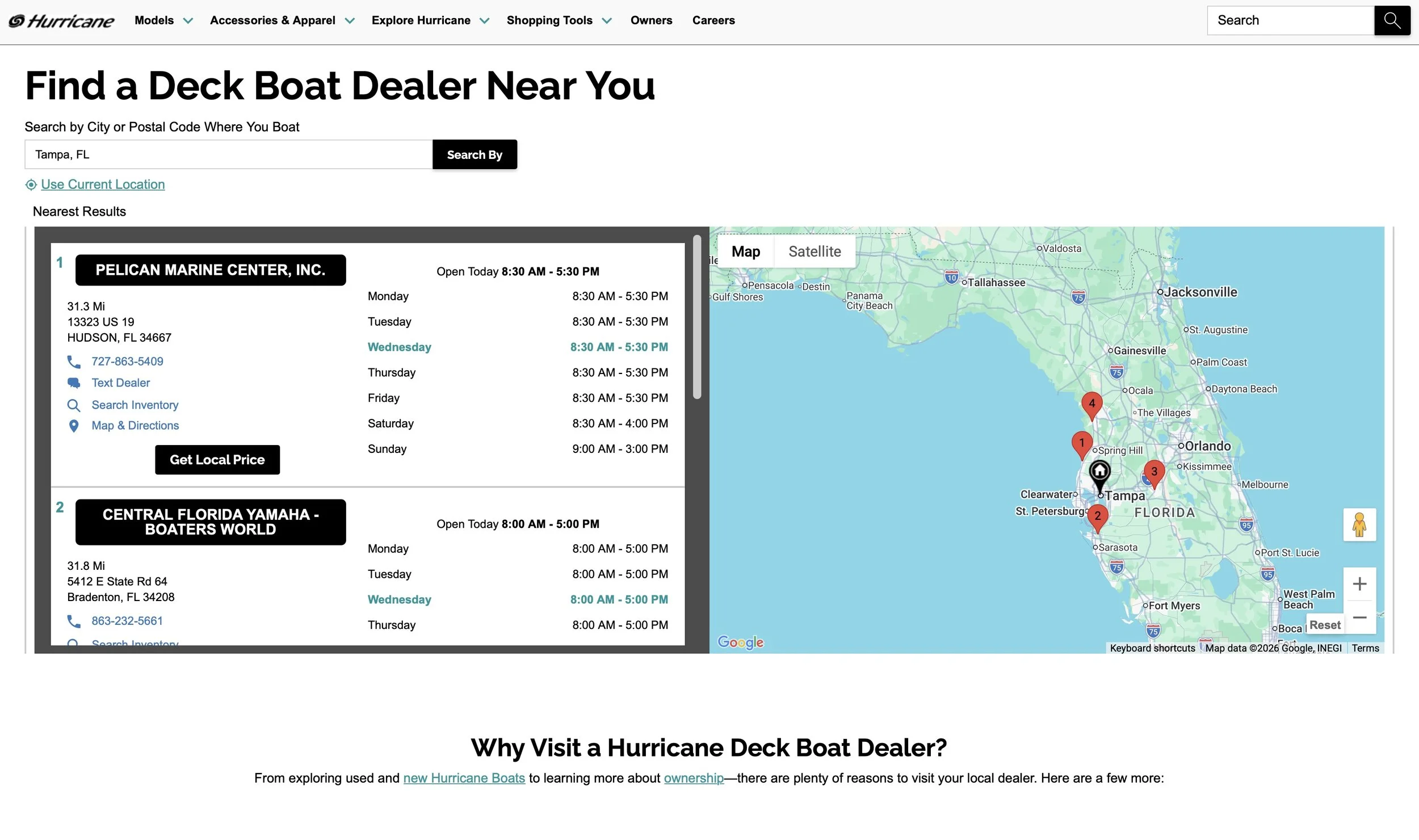
Whether you are set on buying a used boat to get more for less money, or jump right into a new boat that you can customize however you want, getting the most information is vital to a successful buying process. A boat dealer is an excellent resource for first-time buyers. They will not only help guide you through the buying process, but they will probably be where you go for maintenance throughout the lifetime of your boat and, depending on where you live, will also be where you go for storage if you have to contend with weather. Most boat brands have a “Find a Dealer” page on their website and with a few simple keystrokes, you can be connected to a local professional that is dedicated to helping you join the club. Remember that boaters are a passionate bunch and your local boat dealer probably has their own boat in the same waters you intend to frequent. They are going to be the same folks you’ll see every weekend at your nearest boat ramp.
After you select a brand, type of boat and dealer to help you through the process, narrow it down to a few models, and take them out for a test driving. It is a vital part of the process when buying a car, and it should be similarly important for buying a boat. While on the water, try to think about how you intend to use it and experiment accordingly. Check for visibility at the helm, ease of line handling if you happen to be short-handed and maneuverability while docking. Make sure you ask questions of the dealer and feel free to take notes for when you make your final decision. Getting a certified marine surveyor to look over your boat, especially if used, can make sure that you and your passengers are safe, as they can determine the condition of your boat and let you know of any potential issues. Even if you’re an experienced boat owner, it may be beneficial to have an unbiased opinion on the matter. For certified dealers, many manufacturers have multi-point checks for used boats, which will also help ensure that what you are buying will meet your satisfaction.
Just like with any large purchase there are going to be local regulations, financing, taxes, registration and depending on the state, your own licensing to operate the vessel. Having a dealer to walk you through the ins and outs of the process from signing on the dotted line to the moment you pull away from the dock for the first time will make everything easier and less stressful. Congrats on your decision and welcome to the club!
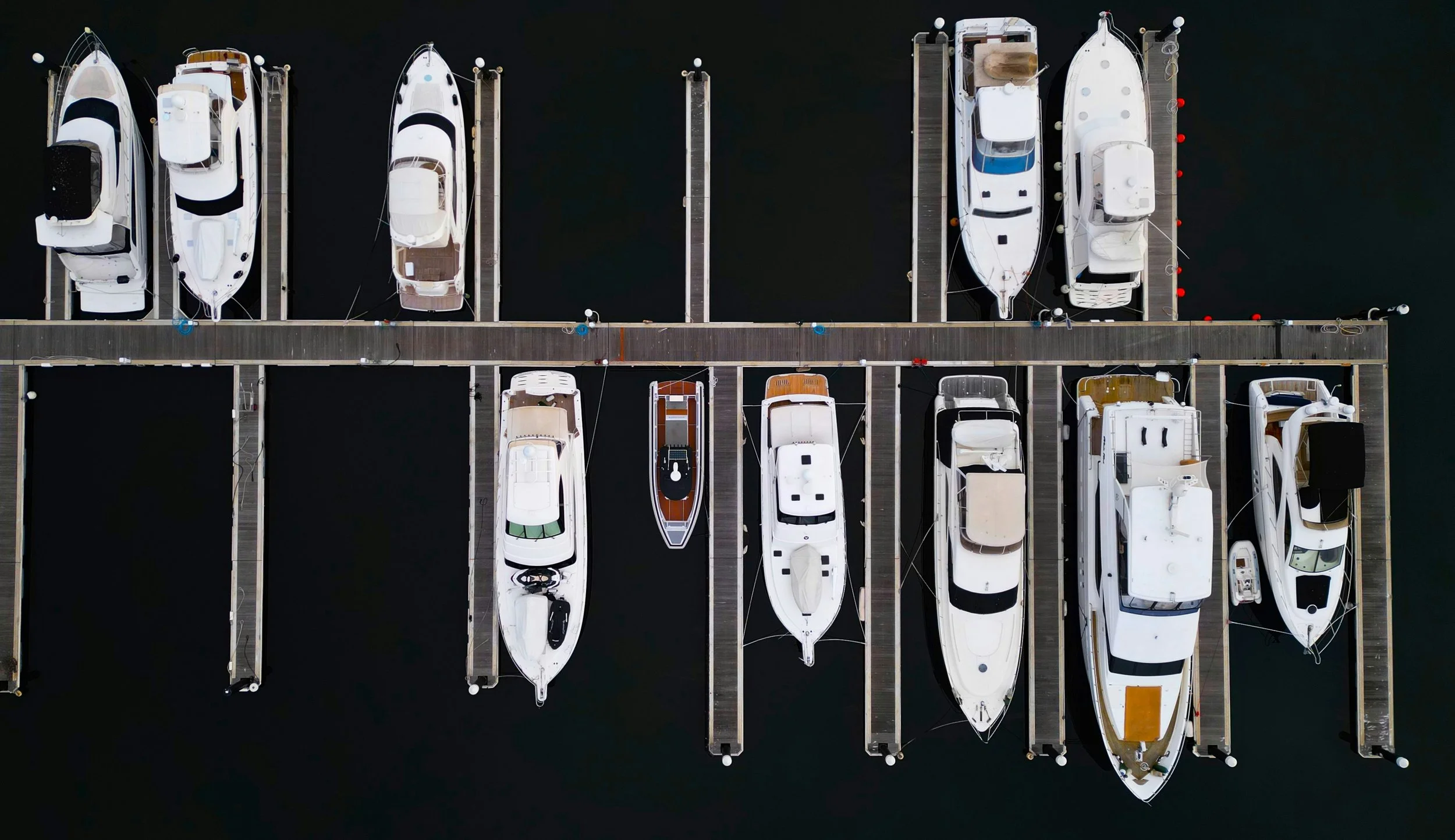
Boat Lot Photo: Photo by Ian on Unsplash
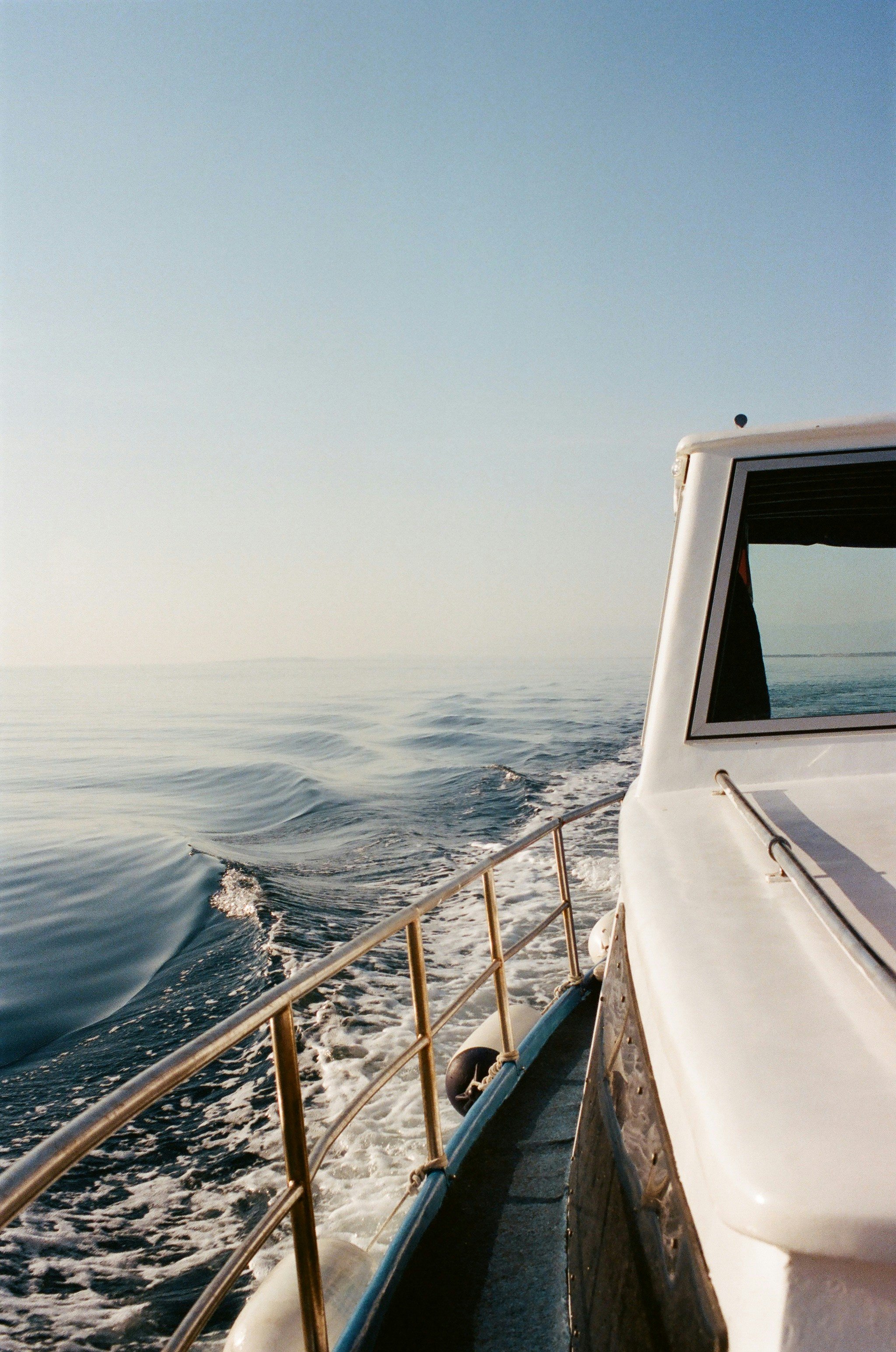
Side of Boat Photo: Photo by Febe Vanermen on Unsplash