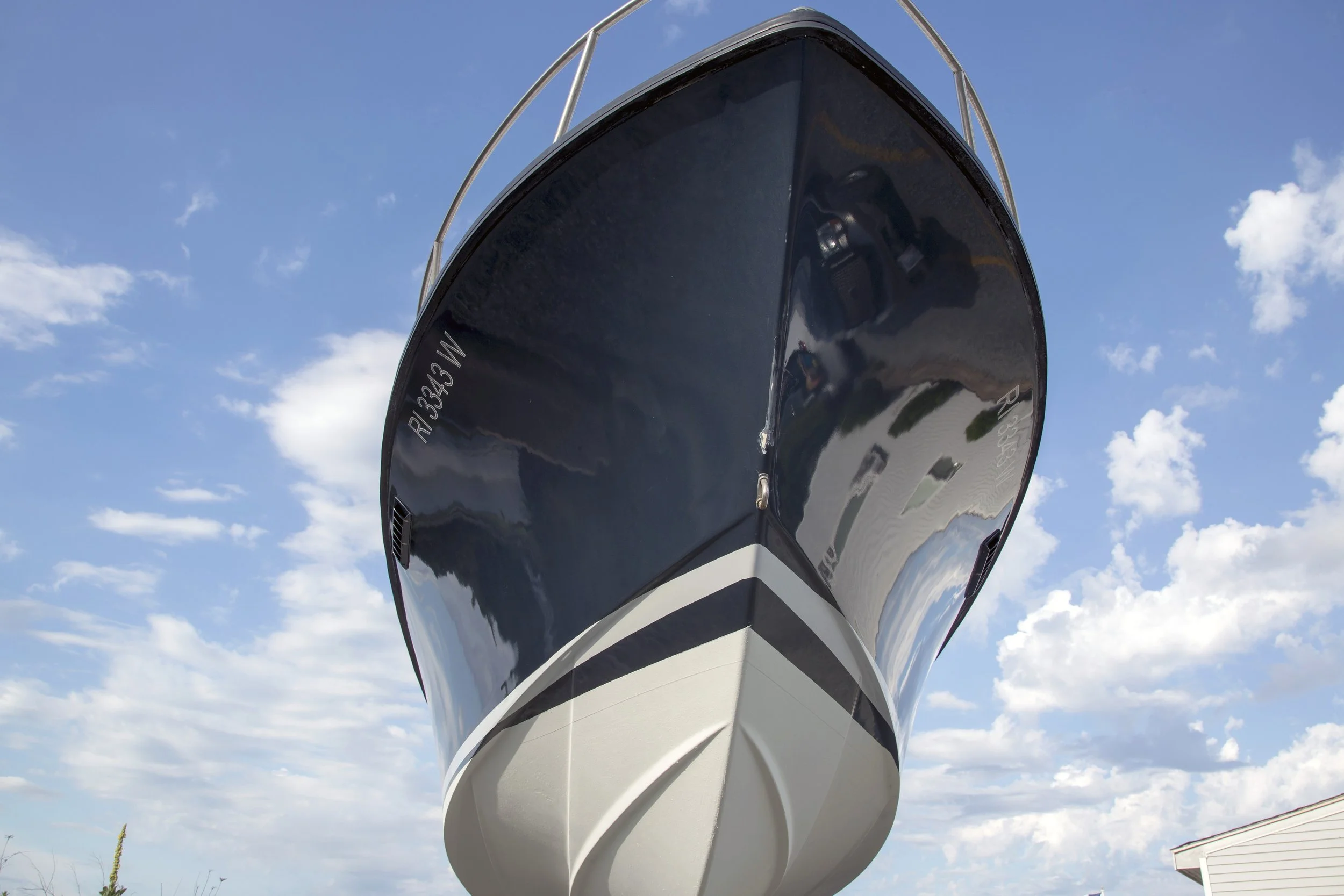
A Coating for All Seasons
How to select the correct antifouling solutions for the bottom of your boat.
Provided by AkzoNobel
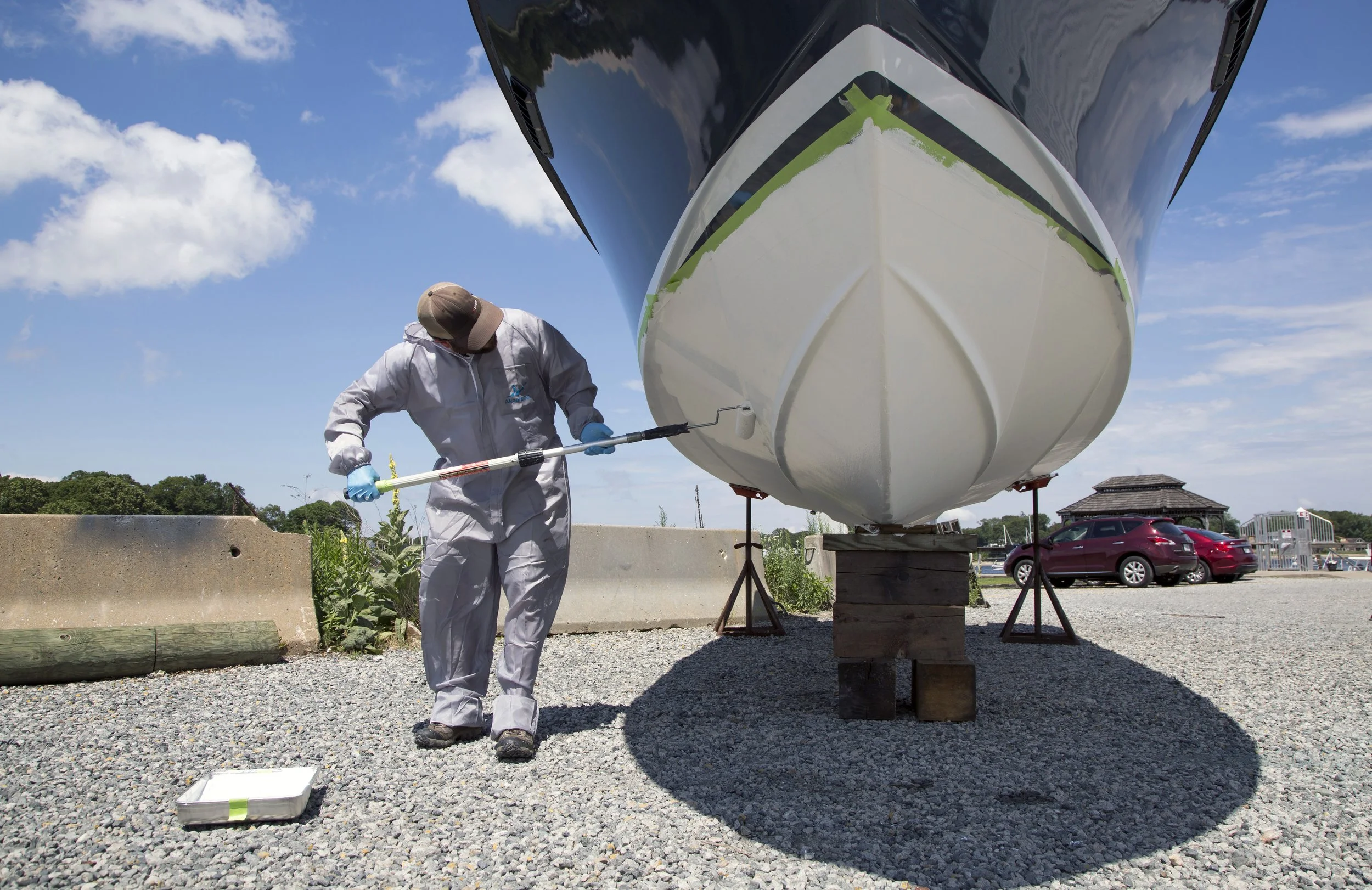
Effective, compatible and correctly applied antifouling on a yacht or boat can have significant benefits for the vessel, the owner and the marine environment. As a result, the antifouling selection and application process is arguably the most important painting task for owners to consider. However, selecting the right coating can seem daunting in an increasingly crowded market, with boatowners facing an overwhelming choice when deciding on the best option to suit their boating environment and style.
When weighing up the antifouling process and products that suit each vessel, there are many factors to consider, including: the type of boat, the quality and material of the hull surface, the environment the boat will sail in, including water quality, temperature and salinity (brackish, fresh or sea water), frequency of use and boating style, the periods between maintenance, and the priorities of the owner in terms of performance and environmental stewardship.
Boaters sailing the Gulf Coast operate within high water temperatures that represent heavy fouling areas. As a result, premium quality self-polishing, dual biocide antifouling systems, such as Biocop TF from Sea Hawk®, will provide the maximum protection for multi-season performance. For owners who operate in a relatively localized area, a single-season product is usually sufficient to meet their antifouling needs.
The potential advantages of one antifouling system over another are critical if owners are to extract the maximum value from their fouling control. For faster boats, or for those who like to race, a hard antifouling, which can be burnished or wet sanded to a smooth finish and does not wear easily, is a good option. Also, trailered or dry-stored boats that are regularly transported overland will require a hard antifouling coating that creates a durable surface to withstand repeated pressure on the hull. For a balance between performance and cost, Controlled Depletion Polymer (CDP) may be preferred as an alternative to self-polishing systems. Unlike self-polishing systems, CDP coatings are used for a single season.
Meanwhile, environmental concerns and innovations in antifouling technology are reframing the industry's approach to biocide-release systems in general. Antifouling solutions have traditionally relied upon the use of one or more biocides, which are released gradually over time to prevent fouling organisms from attaching to the boat. However, the current landscape has prompted the release of a new generation in antifouling technology, such as biocide-free. Other innovations in antifouling technology also include copper-free alternatives from Sea Hawk, such as Smart Solution, as well as a greater focus on water-based technologies – like Monterey, a low-VOC formulation from Sea Hawk – which maintains premium antifouling performance whilst significantly reducing the coatings’ impact on the environment.
When selected and applied correctly, expert antifouling solutions can unlock significant gains in performance and savings in costs, not to mention protecting the surrounding ecosystem. In a complex, crowded, and evolving market with many variables to consider, AkzoNobel recognizes that the boating communities need more than a coatings provider. This is why our team of experts are on hand to provide a dedicated consultative service designed to assist customers and partners in selecting the best solutions for each boat, with insight into the diversity of products and the latest technologies available for both above and below the waterline. For more information on paints and coatings and choosing the right ones for your vessel, visit akzonobel.com